

Explore our blog
.svg)
AI SOC
The end of the SOC pyramid
AI is retiring the SOC pyramid. Learn how a tierless AI SOC investigates 100% of alerts with forensic evidence while your analysts supervise outcomes.

Zev Schonberg
.svg)
Research
5 min
NinjaMare and the enterprise security epidemic hiding behind a harmless label
The PUA label, aka "potentially unwanted application" means nuisance. Adware, toolbars, and other things that change your settings without asking. Our research team's findings say this label is far more serious than a mere nuisance.

Intezer
View Topics
Research
6 minutes
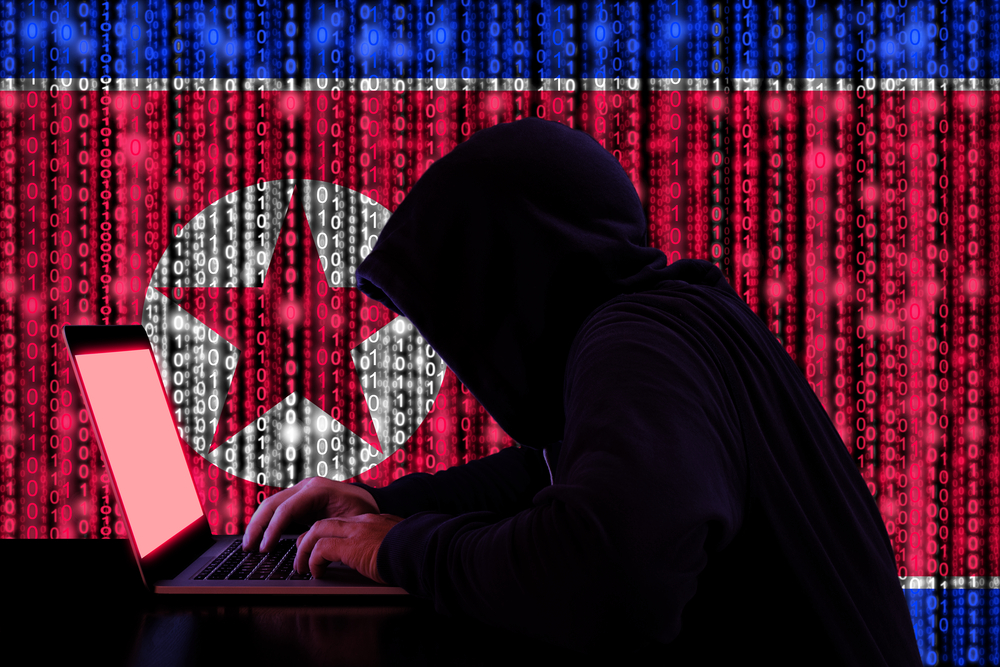
BLOCKBUSTED: Lazarus, Blockbuster, and North Korea

Malware Analysis
3 minutes
Don’t Be Fooled By Malware Signed with Stolen Certificates
Recent research conducted by the Cyber Security Research Institute (CSRI) demonstrates how easy and common it is for threat actors to purchase stolen digital certificates in order to bypass security solutions.

Research
2 minutes
IcedID Banking Trojan Shares Code with Pony 2.0 Trojan
IBM X-Force recently released an excellent report on a new banking trojan named IcedID that is being distributed using computers already infected with Emotet. We took the MD5 of one of the droppers from the IBM report and extracted the payload.

Research
2 minutes
Silence of the Moles
Kaspersky Labs published a technical analysis of a new malware, Silence that is aimed at attacking financial institutions. After uploading the loader of this malware to Intezer Analyze™, we have found a possible connection through code reuse to the loader of another campaign of malware.

Research
2 minutes
NotPetya Returns as Bad Rabbit
Large scale cyber attacks seem to be happening once a month these days. Originally discovered by ESET, Ukrainian and Russian organizations have been hit with the latest ransomware attack named Bad Rabbit.

Alert Triage
4 minutes
False Positive Madness: Reducing the Burden of Time-Wasting Alerts
Security teams have a lot of noise and false positives to deal with in their day-to-day jobs. Every organization is managing thousands of alerts each month.
Incident Response
3 minutes
Cyber Threat Diversion: Managing the False Positive Madness
Security teams have a lot of noise to deal with in their day-to-day jobs. Every organization is managing thousands of alerts each month — and that’s in an ideal scenario. Some are dealing with this volume on a daily basis, making it nearly impossible to stay ahead of possible threats.
Malware Analysis
5 minutes
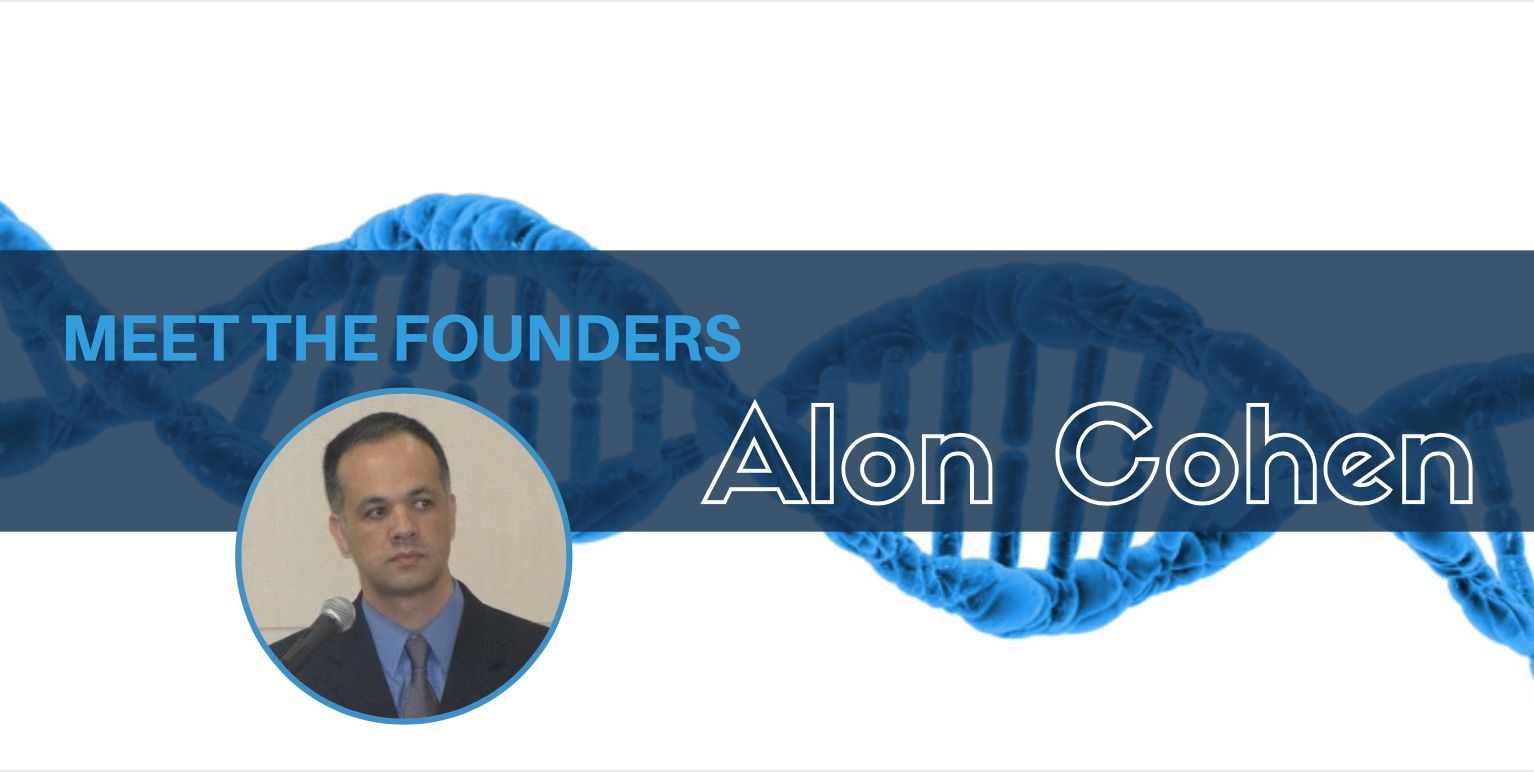
Meet the Founders: Alon Cohen
Serial entrepreneur Alon Cohen co-founded and grew one of the world’s first cyber security startups, CyberArk, which eventually became a ‘unicorn’.

Research
4 minutes
North Korea and Iran Use CodeProject to Develop Their Malware
In the software development world, engineers frequently use ready-made code for various tasks, whether it involves copying a snippet from Stack Overflow, taking a library from Github, or reusing a company’s own rich, legacy code base.

Research
5 minutes
Evidence Aurora Operation Still Active Part 2: More Ties Uncovered Between CCleaner Hack & Chinese Hackers
We have found new evidence in the next stage payloads of the CCleaner supply chain attack that provide a stronger link between this attack and the Axiom group.

Research
4 minutes
Evidence Aurora Operation Still Active: Supply Chain Attack Through CCleaner
Recently, there have been a few attacks with a supply chain infection, such as Shadowpad being implanted in many of Netsarang’s products, affecting millions of people. You may have the most up to date cyber security software, but when the software you are trusting to keep you protected gets infected there is a problem.

Malware Analysis
5 minutes
Intezer Community Tip: How to Optimize ssdeep Comparisons with ElasticSearch
Using ssdeep to find similarities between files can be quite effective when employing the right optimization methods

Research
6 minutes
New Variants of Agent.BTZ/ComRAT Found: The Threat That Hit The Pentagon In 2008 Still Evolving; Part 2/2
Our previous blog post was a short brief of new Agent.BTZ variants that we found. This second part in the series will demonstrate in greater detail exactly how we discovered these new variants.
Malware Analysis
6 minutes
About the Founders: Meet CEO Itai Tevet
Itai Tevet was the self-described ‘PC kid’ whose fascination with technology led to a strong interest in information security–an interest that benefited him as he grew into increasingly more responsible cyber security leadership roles within the Israeli Defense Forces (IDF).

Incident Response
6 minutes
Why Identifying ‘Good or Bad’ is Not Enough
Not performing a deeper analysis after the initial infection prevents us from performing an effective remediation to the actual problem.