

Explore our blog
AI SOC
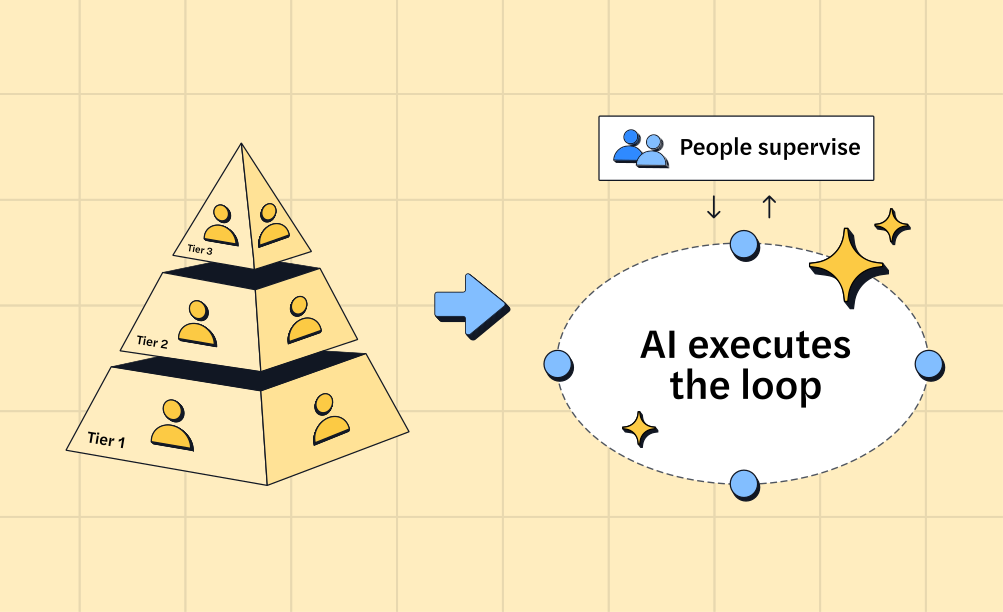
The end of the SOC pyramid
AI is retiring the SOC pyramid. Learn how a tierless AI SOC investigates 100% of alerts with forensic evidence while your analysts supervise outcomes.

Zev Schonberg

Research
5 min
NinjaMare and the enterprise security epidemic hiding behind a harmless label
The PUA label, aka "potentially unwanted application" means nuisance. Adware, toolbars, and other things that change your settings without asking. Our research team's findings say this label is far more serious than a mere nuisance.

Intezer
View Topics

Research
10 minutes
A Zebra in Gopher's Clothing: Russian APT Uses COVID-19 Lures to Deliver Zebrocy
Russian APT28 using COVID-19 vaccine as phishing lures to deliver the Go version of Zebrocy malware.

Cloud Security
5 minutes
Not Another Linux Security Blog
Linux is just as vulnerable as other operating systems.

Research
6 minutes
Stantinko’s Proxy After Your Apache Server
New Stantinko Linux sample posing as a legitimate Apache web server is likely part of a broader campaign that takes advantage of compromised Linux servers.

Cloud Security
3 minutes
CVE-2020-16995: Microsoft Azure Network Watcher Linux Extension EoP
Disclosing a vulnerability in Microsoft Azure's VM extension known as the Network Watcher Agent for Linux.

Cloud Security
3 minutes
Exploiting a Vulnerable Version of Apache Struts
Exploiting the Apache Struts vulnerability used in the Equifax breach of 2017. Disclaimer: This blog post by no means suggests the Apache Struts framework is still vulnerable.

Cloud Security
8 minutes
Migrating to the Cloud: Compliance Issues When Transitioning from a Traditional Data Center
Your business is responsible for compliance and security, even if you outsource part of it. You should prepare to do the hard work of verifying a cloud offering’s security and compliance components rather than taking them at face value.

Cloud Security
9 minutes
Are Containers More Secure Than VMs?
Containers offer their own unique technical challenges when it comes to security, but VMs present a broad attack surface. In this article, we explore some of the key security advantages and disadvantages that each platform offers.

Malware Analysis
Research
2 minutes
New Threat Intel Features in Intezer Analyze
From classifying samples faster to staying current on trending malware families, check out the latest DFIR and threat intel features in Intezer Analyze.

Cloud Security
6 minutes
Kud I Enter Your Server? New Vulnerabilities in Microsoft Azure
It's not every day you hear about vulnerabilities in Cloud providers. Researchers at Intezer disclosed two security flaws in Microsoft's popular cloud service: Azure App Services.

Malware Analysis
5 minutes
Emotet Evolves but Code Remains Mostly the Same
The popular banking trojan Emotet is constantly evolving to evade detection. Stripped down to its genetic core reveals Emotet's code remains largely the same from generation to generation.

Research
2 minutes
VB2020 - Advanced Pasta Threat: Mapping Malware Use of Open Source Offensive Security Tools
This interactive visual map tracks threat actor adoption of open-source Offensive Security Tools (OSTs) and the previously unknown code reuse connections between them.

Cloud Security
4 minutes
Looking Back on the Last Decade of Linux APT Attacks
Looking back on the previous decade of Linux APT attacks to get a better understanding of the trends that might shape the current decade.

Cloud Security
5 minutes
Attackers Abusing Legitimate Cloud Monitoring Tools to Conduct Cyber Attacks
TeamTNT is using a legitimate tool to gain full control over victim servers. To our knowledge, this is the first time an attacker has used legitimate third party software to target cloud infrastructure.

Threat Hunting
7 minutes
Using YARA Rules to Turn Open Source Against Malware
The ability to detect files that use Offensive Security Tool (OST) libraries can enhance threat hunting capabilities.

Research
21 minutes
ELF Malware Analysis 101 Part 2: Initial Analysis
In this article we will pursue ELF file analysis with an emphasis on static analysis. The purpose of initial analysis is to gather as many insights about a file as possible without spending too much time on advanced analysis techniques.