
Best MDR with Forensic Incident Reporting: Top 12 in 2026
In this article

What Is MDR Forensic Incident Reporting?
Managed Detection and Response (MDR) forensic incident reporting is a comprehensive, human-led service that provides 24/7, in-depth analysis of cyber threats, moving beyond simple alerts to deliver actionable forensic evidence, root cause analysis, and guided remediation to quickly restore business operations.
Core components of MDR forensic reporting:
MDR providers specialize in translating raw technical data into detailed narratives that explain what happened, when, who was affected, and how to prevent future occurrences:
- 24/7 monitoring and alert triage: Continuous, real-time surveillance of endpoints, networks, and cloud environments to detect anomalies, with expert analysts filtering false positives from actual threats.
- Proactive threat hunting: Experts actively search for hidden, sophisticated, or dormant threats that bypass automated tools, utilizing threat intelligence to identify attacker TTPs (Tactics, Techniques, and Procedures).
- Forensic investigation and artifact analysis: Deep inspection of forensic artifacts (logs, memory, registry keys) to trace the attacker’s movement, identify entry points, and verify if data was compromised.
- Root cause analysis: Determining the underlying cause of an incident to prevent recurrence.
- Detailed incident reporting: Providing documentation that includes actionable insights, evidence for regulatory compliance, and post-incident reviews.
MDR incident response process:
MDR services often include, or can be augmented by, digital forensics and incident response (DFIR) to provide end-to-end management:
- Detection and triage: The SOC identifies a potential security event and validates it as a true positive.
- Investigation and scoping: Analysts investigate the threat, determine the scope, and identify affected systems.
- Containment and eradication: The provider takes direct action, such as isolating infected endpoints, blocking IPs, or disabling compromised accounts, to stop the threat's spread.
- Recovery and reporting: The system is restored to its pre-attack state, and a detailed incident report is generated.
This is part of a series of articles about MDR security
Benefits of MDR Forensic Reporting
MDR forensic reporting provides practical value beyond incident documentation. It helps teams respond faster, learn from attacks, and strengthen defenses over time. The benefits below focus on how structured reporting improves both technical operations and business outcomes:
- Reduced dwell time: Clear timelines and rapid analysis help teams identify when an attack started and how it progressed. This shortens the time attackers remain undetected in the environment.
- Access to expertise: Reports are produced by experienced analysts who understand attacker behavior and forensic methods. This gives organizations access to skills that may not exist in-house.
- Compliance support: Detailed documentation supports regulatory requirements such as breach disclosure and audit trails. Reports can be used as evidence during audits or legal reviews.
- Forensic evidence preservation: MDR providers collect and retain key artifacts such as logs, memory data, and indicators of compromise. This ensures evidence remains intact for investigation or legal use.
- Clear incident timeline: Reports reconstruct events step by step, showing how the attack unfolded. This helps teams understand cause and effect without digging through raw logs.
- Improved root cause analysis: Identifying the initial entry point and exploited weaknesses helps prevent similar incidents. This leads to more targeted security improvements.
- Actionable remediation guidance: Reports include steps to contain, remove, and prevent threats. This reduces guesswork for internal teams.
- Better communication across teams: Technical findings are translated into clear language for executives and stakeholders. This supports faster decision-making during and after incidents.
- Stronger security posture over time: Insights from multiple incidents reveal patterns and recurring gaps. Organizations can prioritize fixes that reduce overall risk.
- Support for threat hunting and detection tuning: Indicators and attacker techniques identified in reports can be fed back into detection systems. This improves future alert accuracy and coverage.
Related content: Learn how to choose MDR services that fit your organization.
Core Components of MDR Forensic Reporting
24/7 Monitoring and Alert Triage
Continuous, around-the-clock monitoring is foundational to MDR forensic reporting. Security teams deploy sensors and agents across endpoints, networks, and cloud environments to collect telemetry in real time. This monitoring enables rapid detection of anomalous behavior, suspicious activity, or policy violations at any hour. When alerts are generated, they are triaged to assess severity, relevance, and potential impact.
Alert triage involves more than acknowledging notifications. Analysts review alert context, correlate events across systems, and eliminate false positives to focus on genuine threats. This process ensures that only actionable incidents move forward for investigation, reducing alert fatigue and improving response efficiency.
Proactive Threat Hunting
Proactive threat hunting supplements automated detection with human-led investigations. Threat hunters use hypotheses, intelligence feeds, and behavioral analytics to search for signs of compromise that may have evaded initial detection mechanisms. This approach helps uncover advanced persistent threats, lateral movement, or stealthy malware that might otherwise go unnoticed.
Threat hunting activities generate forensic data, including indicators of compromise and tactics, techniques, and procedures (TTPs) used by adversaries. These findings are incorporated into incident reports, providing context and evidence for remediation. Threat hunting also informs continuous improvement by identifying new detection opportunities and refining monitoring rules.
Forensic Investigation and Artifact Analysis
Forensic investigation is the process of collecting, preserving, and analyzing digital evidence after a security incident is detected. MDR teams examine logs, memory dumps, disk images, and network captures to reconstruct the sequence of events and determine the extent of compromise. Artifact analysis focuses on identifying malicious files, registry changes, scripts, or other digital traces left by attackers.
By analyzing these artifacts, investigators can pinpoint initial access vectors, lateral movement, and data exfiltration paths. Investigation supports accurate attribution and root cause analysis, helping organizations understand whether attackers leveraged known vulnerabilities, phishing campaigns, or insider threats. The results are documented in the incident report.
Root Cause Analysis
Root cause analysis (RCA) identifies the underlying factors that allowed an incident to occur. This process involves tracing the attack chain back to its origin, whether it is a misconfigured firewall, unpatched system, or inadequate user training. By understanding the cause of the incident, organizations can implement targeted controls to prevent recurrence.
RCA requires collaboration between MDR analysts, IT staff, and sometimes third-party vendors. The findings are documented in the incident report, along with recommendations for corrective action. Root cause analysis strengthens the organization’s security posture and supports compliance and audit requirements by demonstrating a methodical response.
Detailed Incident Reporting
Detailed incident reporting transforms technical findings into a structured document that guides stakeholders through the incident lifecycle. These reports typically include an executive summary, technical narrative, timeline of events, forensic findings, containment actions, and recovery recommendations. The objective is to present relevant information in a clear format that supports technical remediation and executive decision-making.
In addition to describing what happened, reports may highlight lessons learned and opportunities for improvement. Organizations can update policies, refine detection rules, and enhance user awareness training. Incident reports serve as both a historical record and a learning tool.
MDR Incident Response Process
Detection and Triage
The incident response process begins with detection and triage, where alerts generated by security tools are monitored and evaluated. MDR teams use automated systems and manual analysis to identify suspicious activity, prioritize incidents based on severity, and rule out false positives. This phase ensures that genuine threats are recognized early.
Triage involves contextual analysis of alerts, correlation with threat intelligence, and initial scoping of potential impact. Analysts assess whether an alert represents a real incident and determine the urgency of response.
Investigation and Scoping
Once an incident is validated, investigation and scoping begin. MDR analysts collect and analyze evidence from affected endpoints, network devices, and cloud services to determine the extent of the compromise. The goal is to map out the attack vector, identify impacted assets, and establish a timeline of attacker activity.
Scoping includes identifying secondary systems or accounts that may have been affected and assessing the potential for data loss or lateral movement. The findings inform the containment strategy and are documented in the forensic report.
Containment and Eradication
Containment and eradication focus on stopping attacker activity and removing malicious artifacts from the environment. Containment measures may include isolating affected systems, blocking malicious domains, or disabling compromised accounts.
Eradication involves cleaning compromised systems, patching vulnerabilities, and resetting credentials as needed. MDR teams verify that attacker traces have been removed before restoring operations. These steps are documented in the incident report.
Recovery and Reporting
Recovery is the process of restoring affected systems and services to normal operation while ensuring security has been re-established. This includes re-imaging devices, restoring data from backups, and validating that vulnerabilities have been addressed.
The final step is incident reporting, which documents the response process, forensic findings, remediation actions, and lessons learned. These reports are used for internal review, compliance, and stakeholder communication.
What Should Be Included in an MDR Forensic Incident Report?
An MDR forensic incident report should present both an overview and technical evidence. It must support decision-making, remediation, and compliance while remaining usable for technical and non-technical audiences:
- Executive summary: Overview of what happened, when it occurred, the impact level, and current status.
- Incident timeline: Chronological sequence of events with timestamps, showing attacker actions from entry to containment.
- Technical findings and evidence: Indicators of compromise, logs, file hashes, IPs, and observed system or process activity.
- Attack vector and root cause: Initial entry point and the weaknesses exploited, separating root cause from later actions.
- Affected assets and scope: Systems, users, and environments impacted, including lateral movement or data exposure.
- Containment and remediation actions: Steps taken to stop the attack, remove threats, and secure systems.
- Impact assessment: Operational disruption, data loss or exposure, and business or regulatory consequences.
- Recommendations and lessons learned: Concrete actions to prevent recurrence and improve detection and response.
Post-Incident Reports: What Happens After the Incident?
Post-incident reporting uses the incident to refine detection, improve response processes, and strengthen overall security posture:
- Post-incident review: Evaluation of detection, response speed, communication, and decision-making.
- Detection and monitoring improvements: Updates to detection rules using indicators of compromise and attacker techniques.
- Security control enhancements: Patching vulnerabilities, fixing misconfigurations, and strengthening access controls.
- Process and workflow optimization: Improvements to incident response procedures, team coordination, and escalation paths.
- Compliance and documentation: Reports prepared for audits, regulators, or internal records with traceability.
- Training and awareness updates: Targeted user training based on identified weaknesses such as phishing or misuse.
- Continuous improvement: Applying lessons learned across incidents to reduce recurring risks.
Notable MDR Forensic Incident Reporting Solutions
MDR platforms differ significantly in how they approach forensic investigation and incident reporting. Some rely primarily on automated triage pipelines, others on human-led analysis, and a growing number combine agentic AI with traditional forensic methods to handle evidence collection, root cause identification, and documentation at scale. The solutions below are organized by their primary delivery model, starting with AI-driven platforms and moving to human-led and platform-native services.
AI-Driven MDR with Automated Forensic Investigation
1. Intezer Forensic AI SOC

Intezer Forensic AI SOC is an AI-native security operations platform that automates alert triage and forensic investigation across endpoint, SIEM, cloud, identity, and phishing pipelines. Rather than functioning as a traditional MDR service staffed by shift-based analysts, Intezer uses agentic AI combined with deterministic forensic methods to investigate incoming alerts at forensic depth, regardless of severity.
Key features include:
- Forensic-grade alert investigation: Every alert is analyzed using a combination of endpoint forensics, memory scanning, file reverse engineering, network artifact analysis, and sandboxing, producing a documented verdict with supporting evidence rather than a simple severity score.
- Agentic AI reasoning across alert types: Multiple proprietary and commercial AI models work in combination with deterministic forensic tools to investigate endpoint, identity, SIEM, cloud, and phishing alerts through a single investigation pipeline, reducing the need to manage separate workflows per alert type.
- Automated evidence collection: The platform autonomously queries connected EDR and SIEM tools to retrieve files, logs, process trees, and memory artifacts associated with each alert, eliminating the manual evidence-gathering step that typically delays investigation.
- Detection engineering feedback loop: Triage results, false positive patterns, and newly identified indicators are fed back into detection rules and MITRE ATT&CK coverage tracking, giving security teams a mechanism to reduce recurring alert noise over time.
- Full coverage of low-severity alerts: Unlike many MDR services that focus exclusively on high-severity signals, Intezer investigates every alert at the same forensic depth, surfacing threats that may begin as low-severity activity before escalating.
- Identity and cloud triage: The platform investigates Entra ID and Okta identity alerts by querying identity provider data, reviewing findings against threat intelligence, and proposing or executing response steps such as account containment or session revocation.
See real customer reviews of Intezer on Gartner Peer Review
Limitations:
- Requires mature telemetry to work. Investigation quality depends on the customer’s existing EDR/SIEM health. Organizations with immature tooling won’t get full value out of the box.
- MITRE ATT&CK coverage has a realistic ceiling with Intezer benchmarking 60–70% as “top-tier” and flags anything higher as likely inflated. Some technique categories remain outside reliable coverage for any vendor.
- Focused on enterprise-size customers with a minimum of 1,000 employees.

Source: Intezer
2. CrowdStrike Falcon Complete Next-Gen MDR

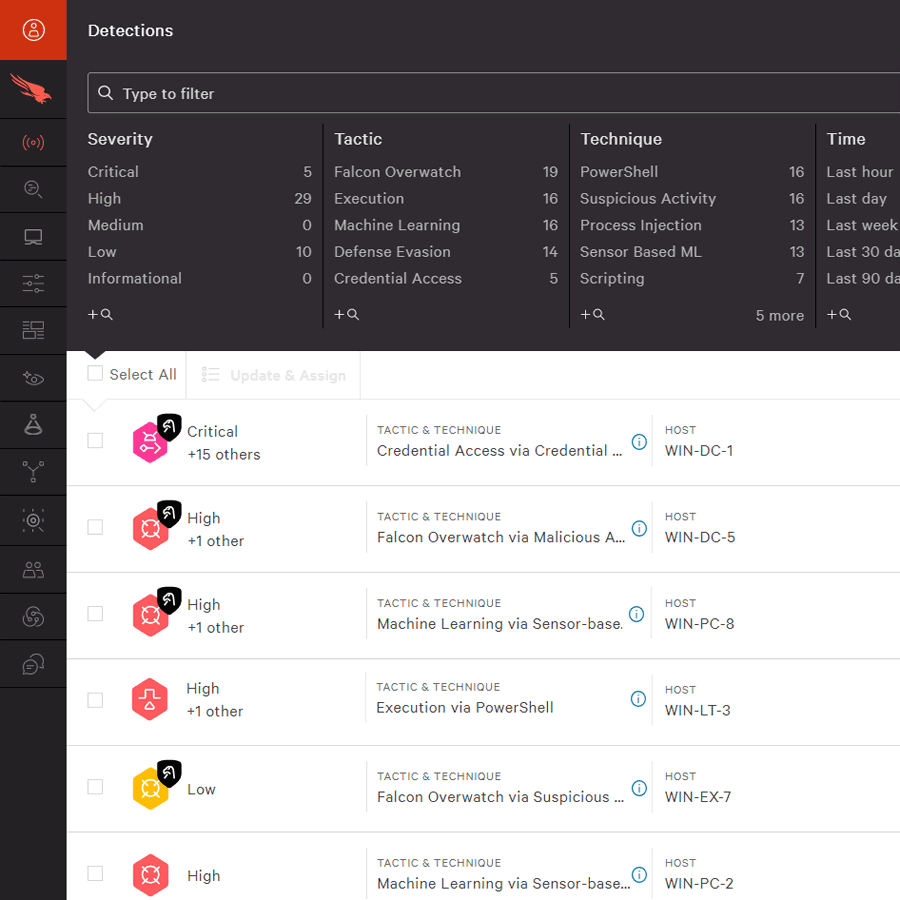
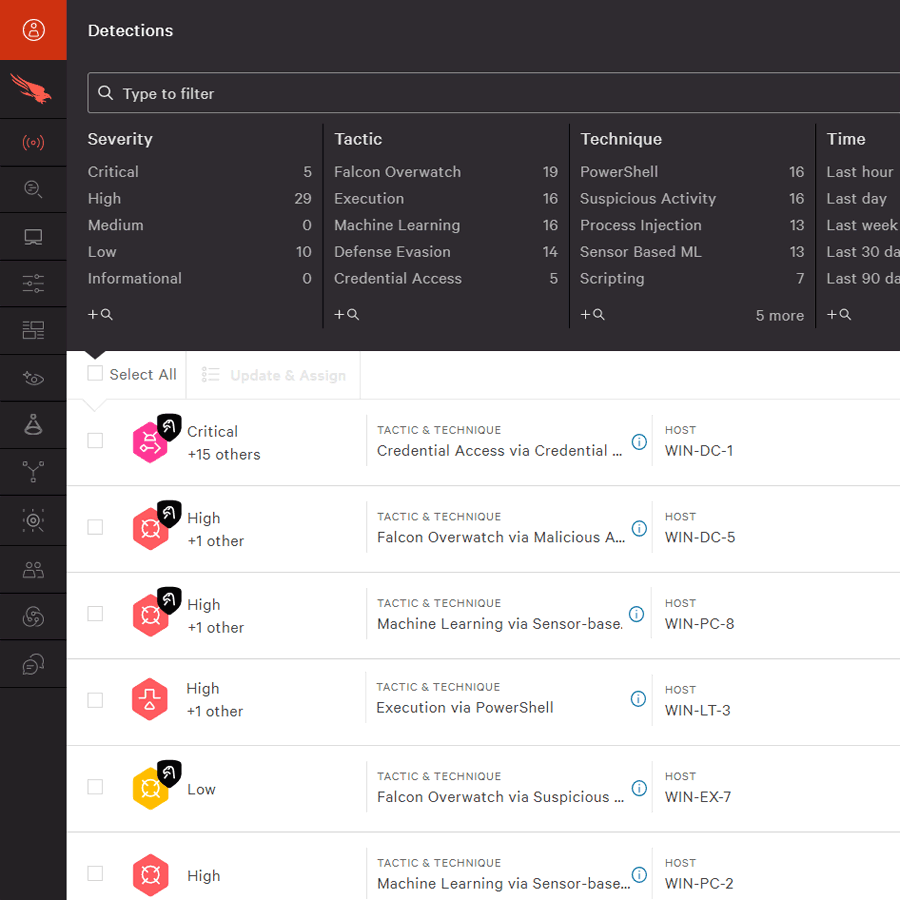
CrowdStrike Falcon Complete Next-Gen MDR is a fully managed detection and response service built on the AI-native CrowdStrike Falcon platform. The service combines expert analyst coverage with autonomous AI agents that investigate alerts, correlate telemetry, and execute containment actions across endpoints, cloud workloads, and identity environments. When a threat is detected, CrowdStrike's analysts and AI agents can isolate affected hosts, terminate malicious processes, revoke credentials, and block domains through the Falcon agent.
Key features include:
- Autonomous AI agents for investigation: AI agents perform automated root cause analysis, threat correlation, and remediation planning without waiting for analyst intervention, reserving human oversight for complex incidents requiring business context or authorization for high-risk actions.
- Direct response execution: Analysts and AI agents take response actions — host isolation, process termination, file quarantine, IP blocking — directly through the Falcon platform without routing through the customer's internal team, reducing response latency.
- Forensic artifact analysis: Endpoint telemetry is continuously streamed to CrowdStrike's SOC, where analysts examine logs, process behavior, registry activity, and memory patterns to reconstruct attack chains and determine scope.
- Structured post-incident reporting: Each confirmed incident produces a documentation package covering attack chain, affected assets, containment timeline, and specific remediation steps, formatted for both technical remediation and executive communication.
- Threat hunting with OverWatch: Dedicated threat hunters proactively search for adversary activity across CrowdStrike's global customer base, using intelligence from 30M+ malware samples and 500B daily events to detect threats that automated systems have not yet identified.
- Breach protection warranty: Falcon Complete includes a financial warranty covering response expenses in the event a major breach goes undetected, providing additional assurance alongside the service's SLA commitments.
Limitations (as reported by users on PeerSpot):
- Alert volume and false positives: Some users report alert fatigue resulting from a high volume of notifications, including false positives that require additional analyst time to investigate and clear.
- Application compatibility: In some environments, the Falcon sensor has been reported to interfere with specific business applications, requiring coordination with the CrowdStrike team to develop exclusions.
- Integration complexity: Organizations running diverse security stacks may encounter integration complexity, particularly for environments where full telemetry coverage requires additional SIEM or XDR layers outside the Falcon platform.
- High cost: CrowdStrike Falcon Complete is generally positioned at a premium price point, which may limit accessibility for smaller organizations.
Source: CrowdStrike
3. SentinelOne Wayfinder MDR

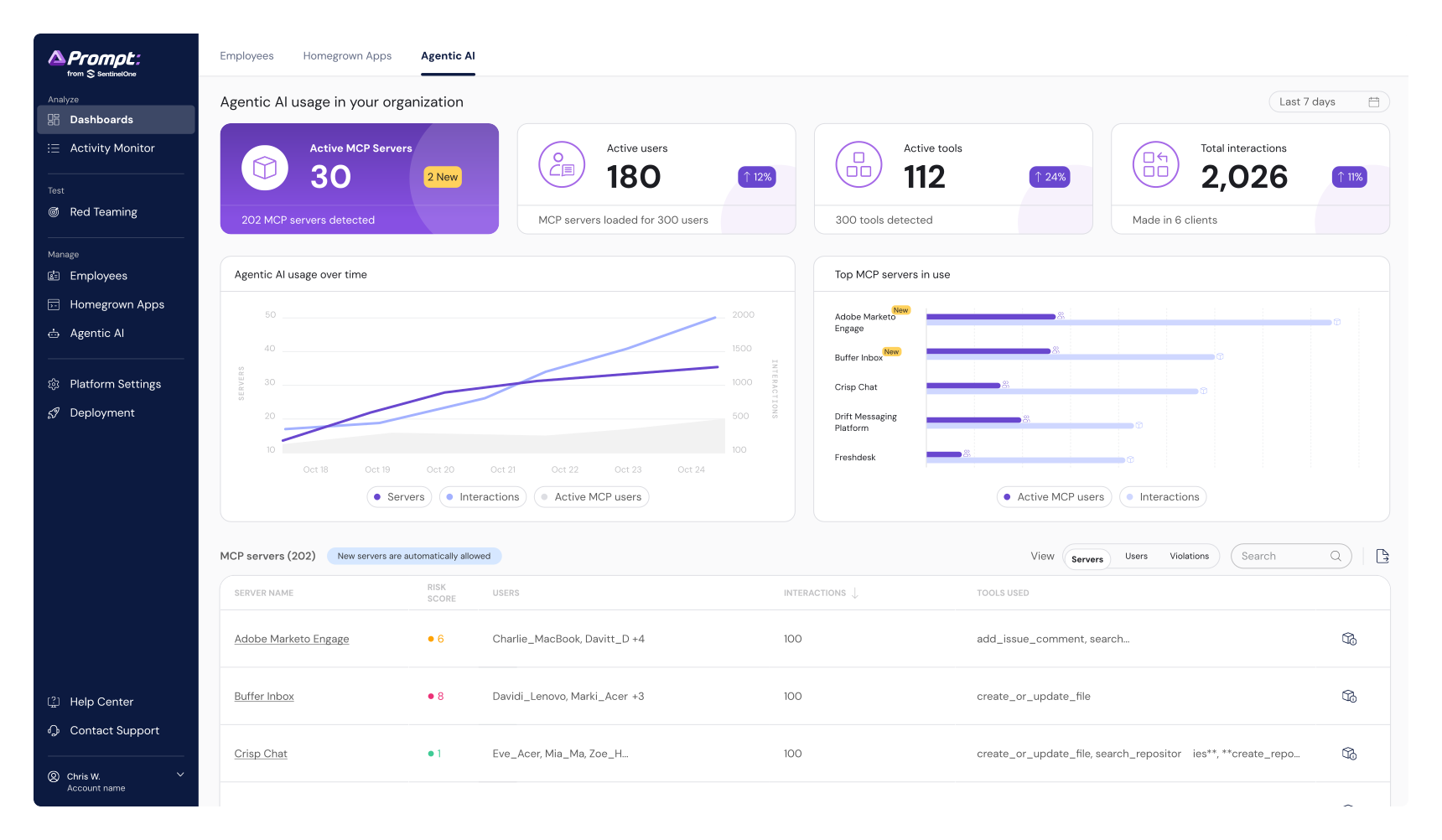
SentinelOne Wayfinder MDR is the company's managed detection and response service, operating across endpoints, cloud workloads, identities, and networks through the Singularity Platform. The service integrates Google Threat Intelligence (which includes threat data from Mandiant and VirusTotal) to inform detection logic and threat hunting activity. Wayfinder analysts hunt for adversary activity, investigate confirmed threats, and execute containment and eradication actions using Singularity Hyperautomation and Purple AI.
Key features include:
- Google Threat Intelligence integration: Curated, operationalized threat intelligence from Google's global visibility — including Mandiant and VirusTotal data — is embedded into Wayfinder's detection and hunting workflows, informing both automated detections and analyst investigations.
- Purple AI for accelerated investigation: SentinelOne's AI platform translates natural language queries into structured forensic searches across endpoint telemetry, reducing the time analysts spend composing and executing investigation queries.
- Singularity Hyperautomation: Automated response playbooks execute containment, eradication, and remediation steps at machine speed, with humans retaining authorization control for high-impact actions such as isolating production systems.
- Storyline-based incident visualization: The Storyline technology automatically reconstructs event sequences and maps them to attack framework phases, creating a navigable incident narrative that supports both analyst investigation and post-incident reporting.
- MDR Elite DFIR access: The Elite service tier includes on-demand access to digital forensics and incident response specialists, allowing organizations to engage full-scale forensic investigation without a separate retainer.
- Incident Readiness and Response program: Customers can access proactive compromise assessments and breach readiness exercises, reducing the reactive burden on the MDR team during active incidents.
Limitations (as reported by users on G2):
- Hash-based exclusions only: Some users report that application exclusions can only be created at the file hash level rather than by application name or path, which can require additional exclusion management overhead when applications update frequently.
- Occasional false positive rate: Some users have noted elevated false positive rates in certain configurations, which can generate investigation work for internal teams reviewing escalated cases.
- Platform dependency: Wayfinder MDR operates natively through the Singularity Platform, meaning organizations not already using SentinelOne's endpoint technology would need to deploy or migrate to the platform to fully utilize the service.

Source: SentinelOne
Human-Led MDR with Comprehensive Forensic Reporting
4. eSentire MDR

eSentire is a pure-play MDR provider offering multi-signal managed detection and response that combines human expertise with its proprietary Atlas XDR cloud platform to detect, investigate, and respond to threats across endpoint, network, log, cloud, and identity environments. eSentire's SOC, referred to as the ESOC, operates 24/7 and is staffed by analysts who engage with customers during active incidents, not just at the point of alert delivery.
Key features include:
- Unlimited incident response with threat suppression guarantee: eSentire provides unlimited incident response coverage regardless of incident frequency or size, backed by a contractual threat suppression guarantee and a one-hour engagement SLA.
- Digital forensics and incident response integration: DFIR is embedded within the MDR service rather than sold as a separate engagement, allowing seamless transition from detection to full forensic investigation without changing providers or workflows.
- Multi-signal detection across all telemetry sources: The Atlas XDR cloud platform ingests data from endpoint, network perimeter, log, cloud, and identity sources, correlating signals to identify threats that would not be visible from any single source alone.
- Deep integration with Microsoft ecosystem: eSentire integrates with Microsoft 365 Defender, Azure, and Entra ID, ingesting telemetry and executing response actions directly within the Microsoft tenant during active incidents.
- Cyber Risk Advisory program: Dedicated advisors provide strategic security guidance, policy review, penetration testing coordination, and phishing simulation programs alongside the operational MDR service.
- Forensic case documentation: Analysts produce post-incident reports covering the full attack timeline, affected systems, evidence collected, containment steps taken, and specific remediation guidance for the customer's environment.
Limitations (as reported by users on G2):
- High pricing: Multiple users note that eSentire is among the more expensive MDR options on the market, which may limit accessibility for smaller organizations or those with constrained security budgets.
- Periodic tuning required: As with most mature MDR platforms, some ongoing policy tuning is needed to minimize noise and align detection thresholds with the customer's environment as it changes over time.
- Portal feature rollout timing: Some users have noted inconsistencies between documentation and live platform features during staged product rollouts, where newly announced capabilities were not immediately reflected in the portal.
5. Sophos MDR

Sophos MDR is a fully managed security service and agentic SOC, combining AI-driven automation with human analyst oversight across endpoints, networks, cloud workloads, email, and identity environments. The service integrates with more than 350 third-party security technologies, including Microsoft Defender, SentinelOne, and CrowdStrike, allowing Sophos analysts to work with telemetry from a customer's existing security stack without requiring endpoint replacement.
Key features include:
- Vendor-neutral integration with 350+ technologies: Sophos MDR ingests telemetry from third-party security products across the customer's environment, enabling unified detection and response without requiring changes to the endpoint stack or tool replacement.
- Agentic SOC model: AI automation resolves a significant volume of cases in seconds, with human analysts overseeing all outcomes and taking accountability for response decisions — particularly for cases involving business-impacting actions.
- Full-scale incident response in MDR Complete: The MDR Complete tier provides full incident response with no caps on incident count or scope, including direct response actions such as host isolation, malicious file removal, and credential revocation.
- Sophos CTU threat intelligence: Dedicated threat researchers monitor the global threat landscape and deliver curated intelligence to MDR operations, informing detection logic and hunting activity with up-to-date adversary behavior data.
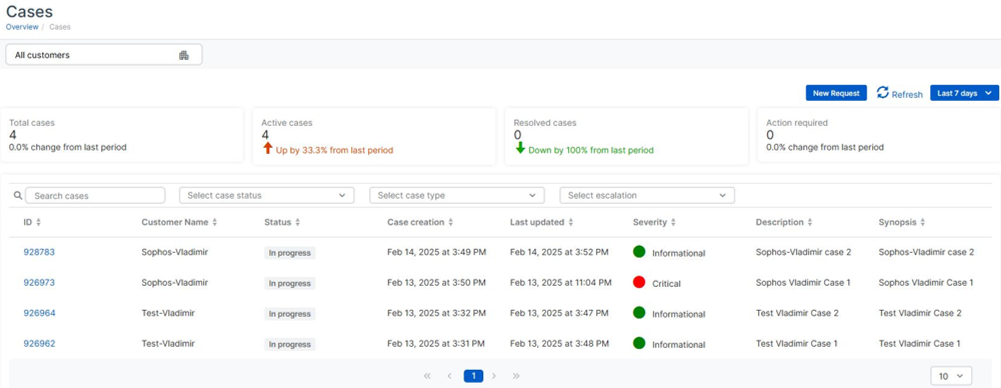
- Weekly and monthly security reporting: Regular reports provide customers with summaries of investigated incidents, security investigation outcomes, threat categories, and posture metrics to support internal security review and stakeholder communication.
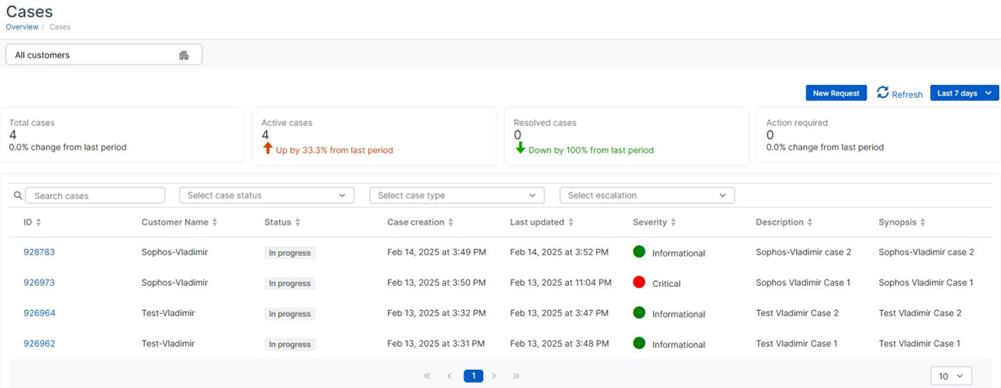
- Compliance documentation support: Sophos Central serves as a centralized management and reporting console that generates documentation supporting audit, regulatory, and compliance requirements.
Limitations (as reported by users on G2):
- Pricing accessibility: Several users note that Sophos MDR's pricing can be a challenge for smaller organizations, particularly when advanced customization or higher-tier service features are required.
- Alert notification sensitivity: Some configurations generate a high volume of low-priority alerts that require filtering before being actionable, with users noting that the system can feel overly sensitive in certain environments.
- Report complexity: Some non-technical stakeholders have found the volume of technical detail in reports challenging to interpret without security expertise, suggesting a need for simplified executive-facing summaries in some use cases.
- Console navigation complexity: Some users report that the Sophos Central management portal can be slow to load and may feel complex to navigate for administrators managing a broad feature set.
Source: Sophos
6. Rapid7 MDR

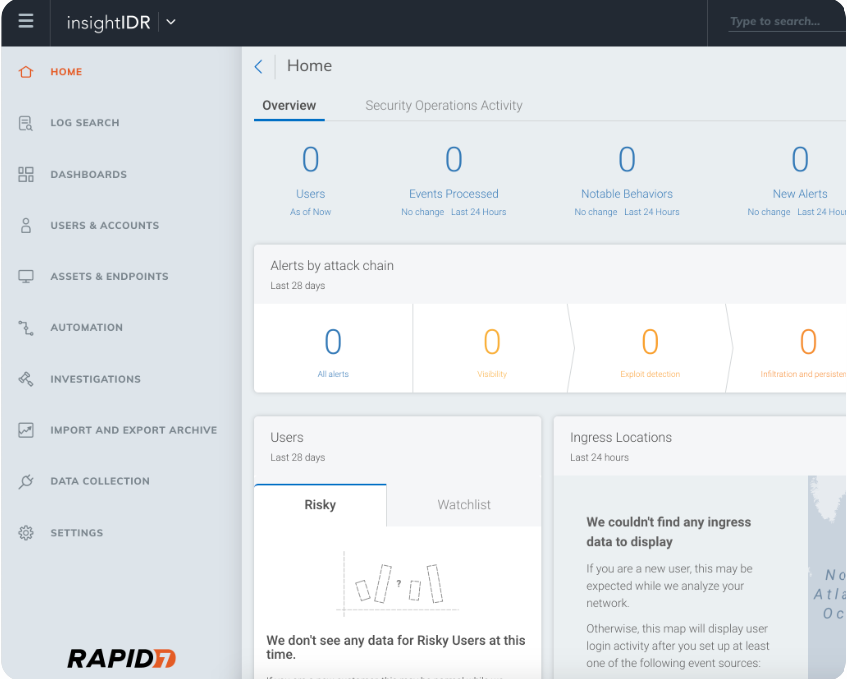
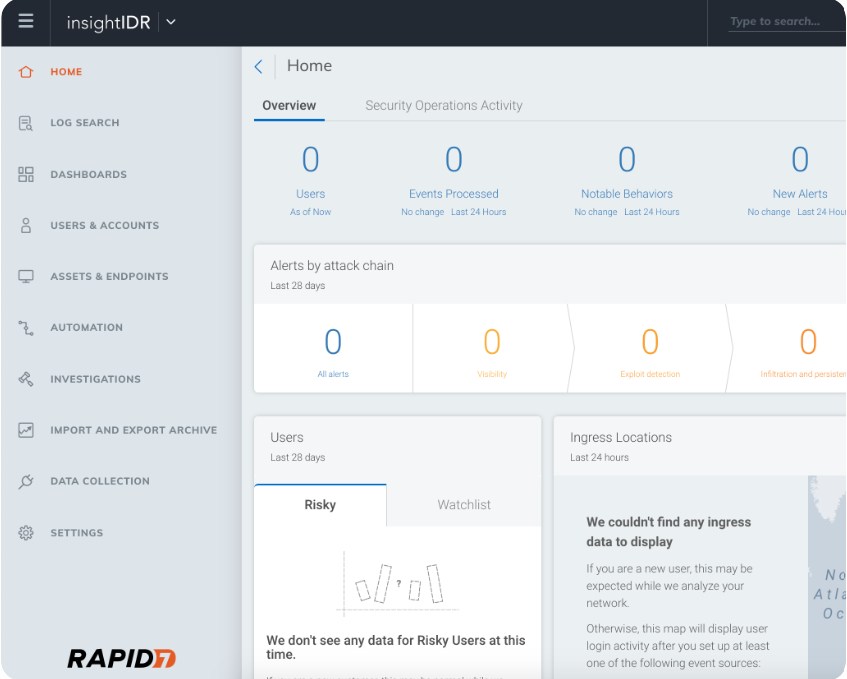
Rapid7 MDR is a preemptive managed detection and response service that combines 24/7 SOC coverage with exposure-informed defense, meaning the service integrates vulnerability and exposure context into threat detection rather than treating detection and vulnerability management as separate disciplines. The service supports leading third-party tools across endpoint, identity, cloud, and email, and includes access to Rapid7's InsightIDR SIEM.
Key features include:
- Exposure-informed detection: Rapid7 integrates vulnerability and exposure data from its InsightVM platform into MDR threat detection logic, allowing analysts to prioritize incidents based on the actual risk posed to the customer's specific environment.
- Velociraptor digital forensics: Remote forensic investigation capability that enables memory analysis, disk artifact examination, and timeline reconstruction across endpoints without requiring physical access or pre-installed forensic agents.
- Unlimited data ingestion and long-term retention: Customers ingest telemetry from 190+ integrations into the InsightIDR SIEM with no volume caps, supporting both real-time detection and long-term forensic investigation across historical data.
- Dedicated Cybersecurity Advisor: Each customer is paired with a dedicated advisor who provides strategic security guidance, detection rule recommendations, and compliance support — functioning as an extension of the customer's security leadership rather than a reactive support contact.
- Preemptive threat hunting: Rapid7 analysts proactively hunt for threats in the customer's environment before alerts fire, using behavioral baselines and threat intelligence to identify adversary activity during the reconnaissance and initial access phases.
- SOC-managed monitoring for third-party tools: The service extends beyond Rapid7's own product suite to monitor and investigate alerts from a broad range of customer-deployed security tools, reducing the need to consolidate on a single platform.
Limitations (as reported by users on G2):
- Administrative overhead: Some users report that achieving optimal outcomes requires significant administrative effort, including manual configuration of detection rules and integration tuning that could benefit from more automation.
- Limited integration options: Some users have noted constraints on the range of supported third-party integrations and automation options, particularly for organizations with non-standard or legacy technology stacks.
- Scan engine reliability: Some users have reported reliability issues with specific scan engine components, affecting vulnerability data quality that informs MDR detection tuning.
Source: Rapid7
7. Red Canary MDR

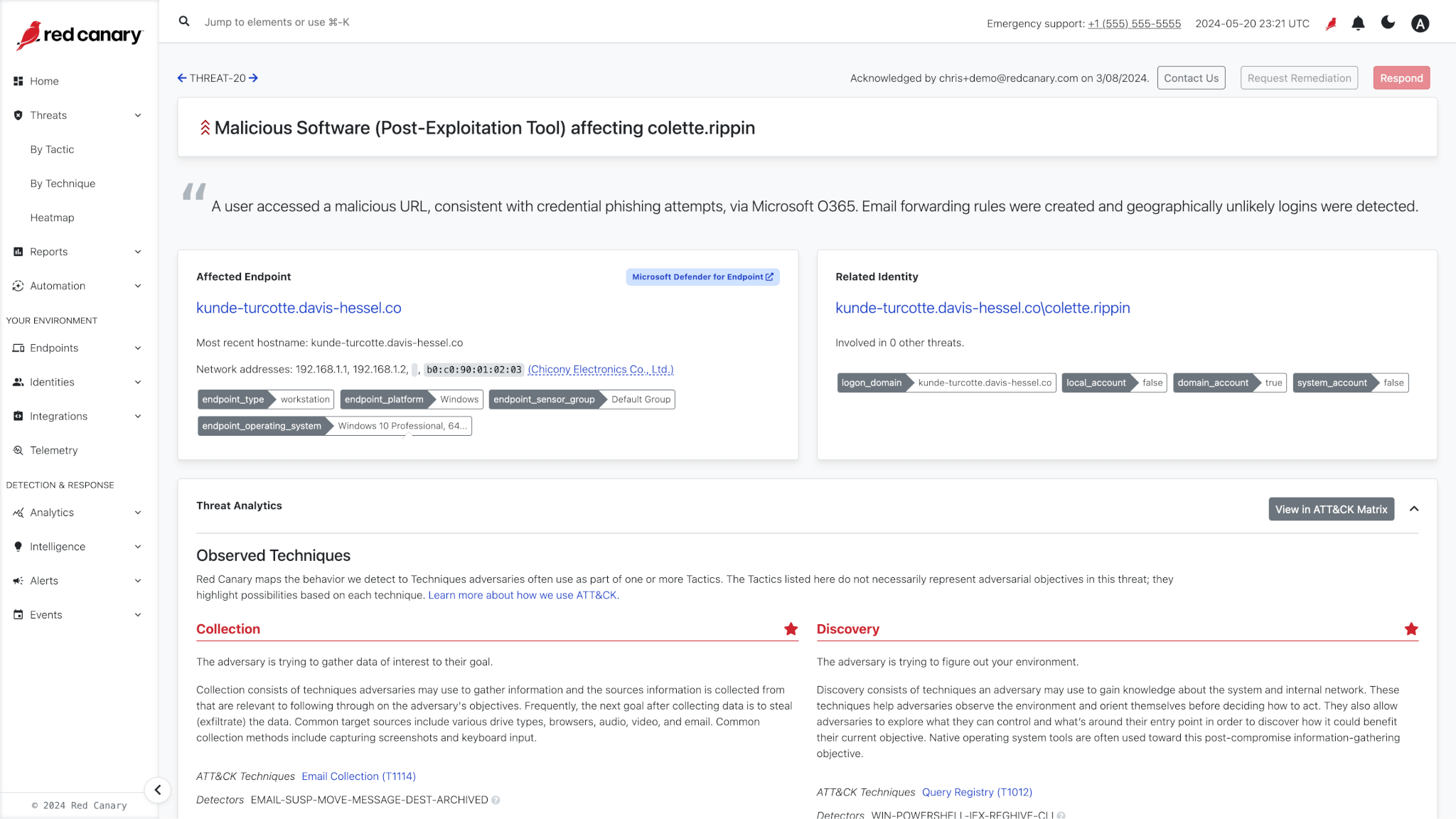
Red Canary is a managed detection and response service focused on threat detection accuracy, investigation depth, and operational transparency. The service monitors endpoint, identity, cloud, network, and email environments, applying behavioral detection logic developed by Red Canary's internal detection engineering team. Red Canary uses a combination of human expertise and agentic AI to confirm threats and eliminate false positives before escalating to customers.
Key features include:
- Confirmed detection model: Red Canary's analysts investigate and confirm threats before escalating to customers, eliminating the need for internal security teams to re-triage or validate Red Canary alerts, and providing immediate context for response.
- Behavioral detection engineering: Red Canary's internal detection engineering team continuously develops and refines behavioral detection logic, reducing reliance on signature-based methods that miss novel or evasive attacks.
- Threat investigation with agentic AI: GenAI-powered investigation capabilities accelerate triage and threat analysis, helping analysts process higher alert volumes without sacrificing investigation depth.
- Active remediation option: Beyond investigation and notification, Red Canary can execute hands-on remediation steps — isolating systems, removing persistence, and blocking indicators — directly in the customer's environment upon authorization.
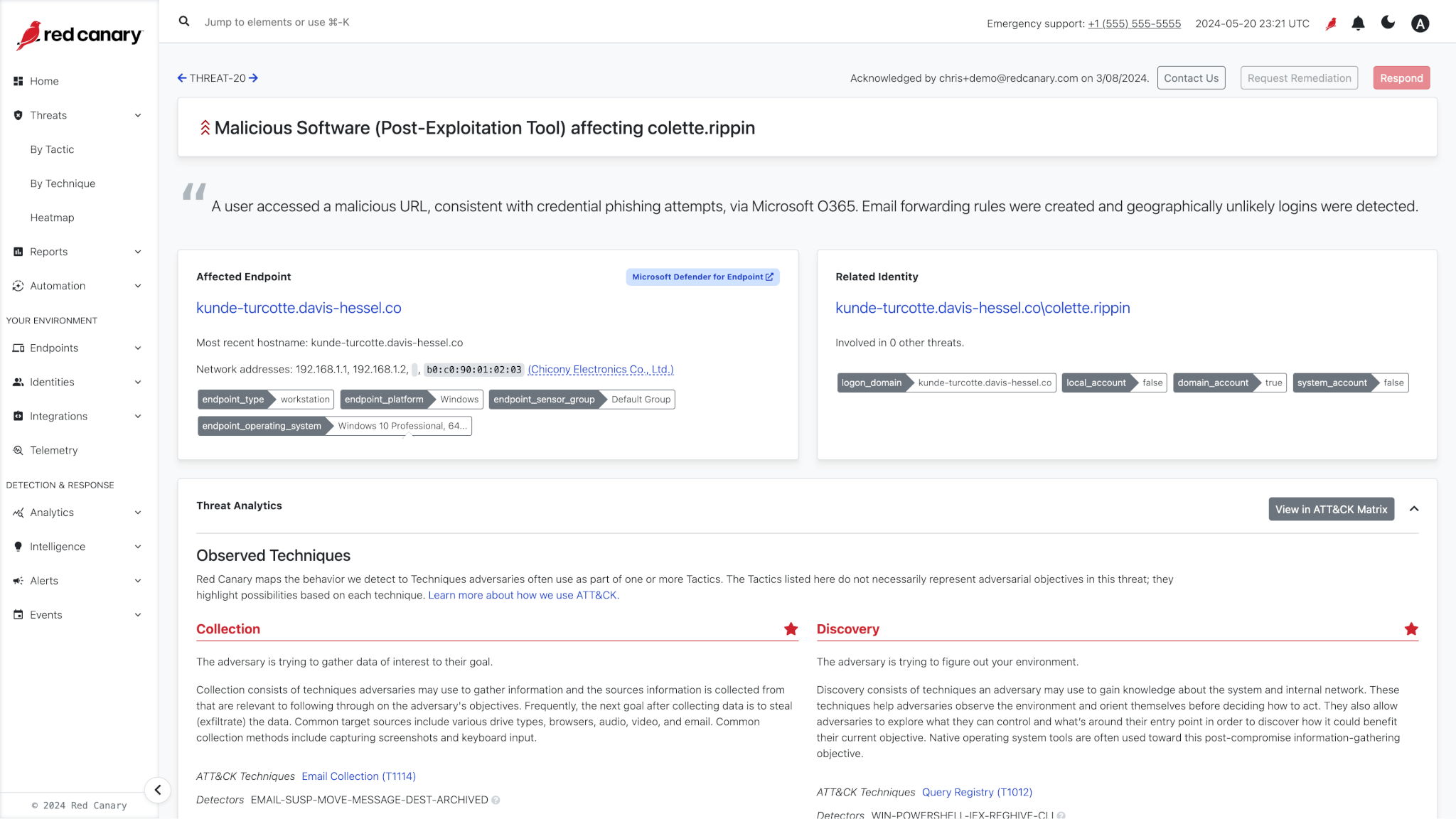
- Documented incident timelines: Each confirmed threat comes with a full investigation timeline covering the initial indicator, the investigation path, related artifacts, and specific steps to contain and eradicate the threat.
- EDR-agnostic coverage: Red Canary integrates with major EDR platforms including CrowdStrike, SentinelOne, and Microsoft Defender, allowing customers to retain their endpoint vendor while adding Red Canary's detection and investigation layer.
Limitations (as reported by users on G2):
- Higher pricing tier: Multiple users note that Red Canary is positioned at a higher price point relative to other MDR providers, which may not be suitable for organizations with limited security budgets.
- Limited managed security services scope: Red Canary is focused specifically on detection and response, and does not offer the broader portfolio of managed security services (vulnerability management, firewall management, etc.) that some organizations seek from a single provider.
- Limited organizational context: As an external provider, Red Canary's analysts may lack the internal institutional knowledge that can add contextual depth during investigations involving custom applications or organization-specific workflows.
Source: Red Canary
8. Arctic Wolf MDR

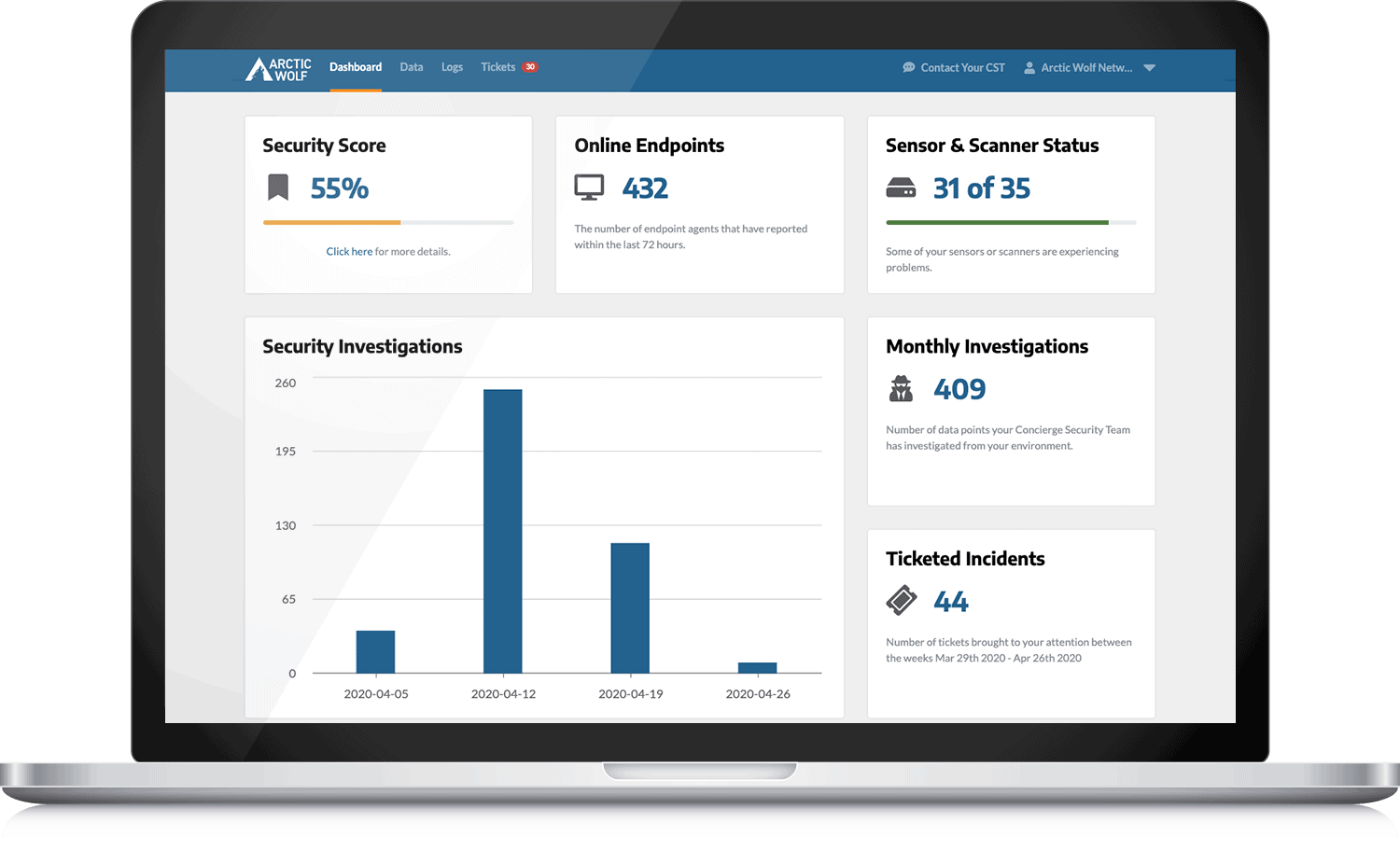
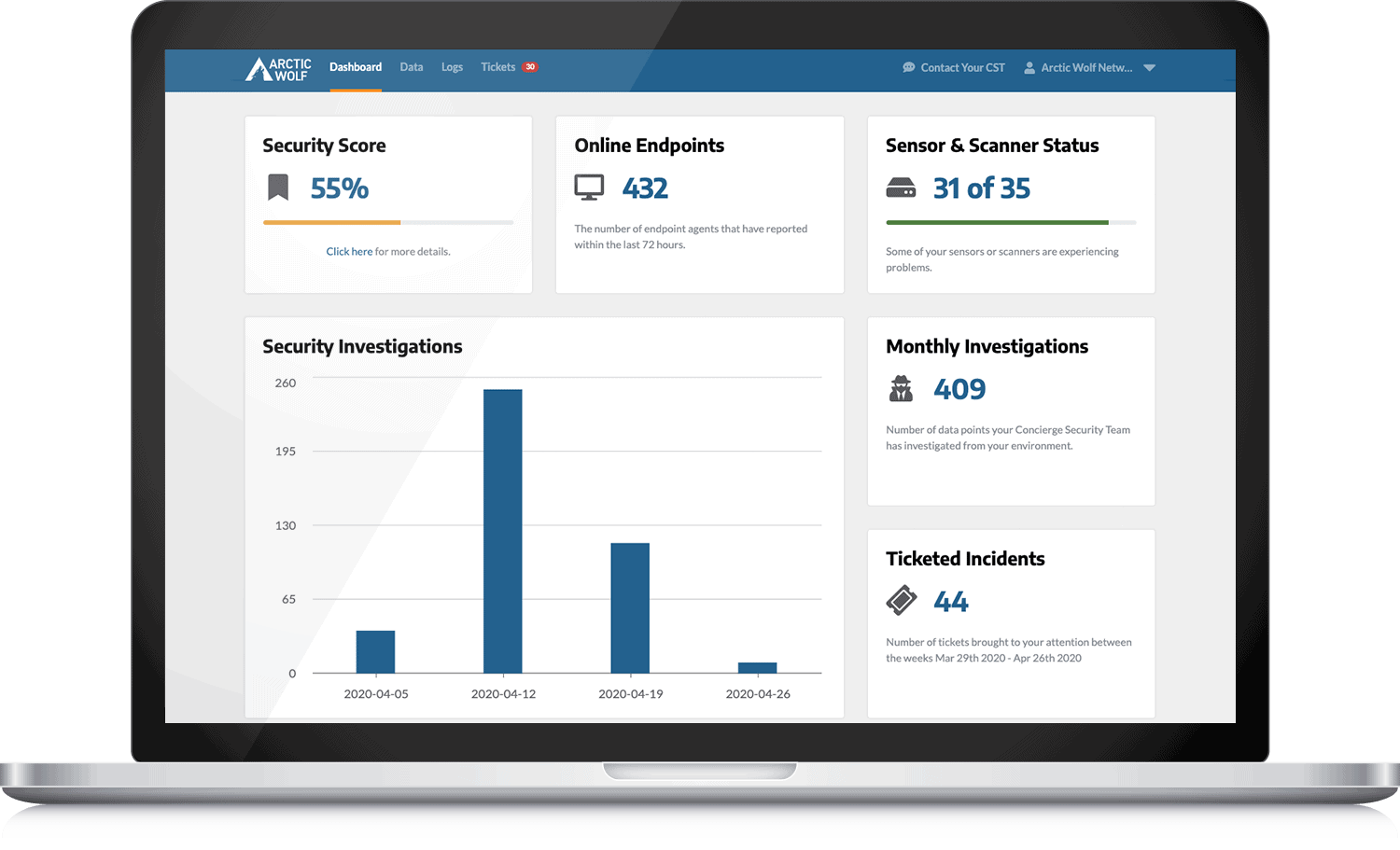
Arctic Wolf MDR is a managed detection and response service that operates through its Aurora Superintelligence Platform and a named Concierge Security Team (CST) assigned to each customer. The CST is the customer's single point of contact for incident investigation, triage, strategic security guidance, and remediation support. Arctic Wolf collects telemetry from internal and external networks, endpoints, and cloud environments, enhancing it with threat intelligence feeds, OSINT data, CVE information, and account takeover data before analysis.
Key features include:
- Named Concierge Security Team: Each customer is assigned a dedicated named team of security experts who develop deep familiarity with the customer's environment, reducing the time needed to establish context during investigations and improving the relevance of remediation guidance.
- Aurora Superintelligence Platform with open XDR architecture: AI performs parallel investigations across trillions of events, while human analysts retain decision-making responsibility for incidents requiring business context and judgment — operating on an open architecture that accepts telemetry from existing tools.
- Active Response for direct containment: When an incident is detected, Arctic Wolf can initiate response actions directly — isolating compromised endpoints, removing threats, or disconnecting affected assets — without waiting for customer authorization for pre-approved response types.
- 13-month data retention: Security event data is retained for 13 months, providing a long forensic window for investigating historical activity, supporting compliance audits, and meeting regulatory data retention requirements.
- Security posture hardening through the CST: Beyond detection and response, the CST conducts ongoing security environment reviews, identifies configuration gaps, and guides customers through targeted improvements to reduce attack surface over time.
- Comprehensive incident documentation: Arctic Wolf produces detailed incident reports covering root cause analysis, attack chain reconstruction, affected assets, response actions taken, and specific remediation recommendations tailored to the customer's environment.
Limitations (as reported by users on G2):
- High pricing: Multiple users note that Arctic Wolf's service is positioned at a premium price point, which can present a budget challenge for smaller organizations or those with cost-sensitive procurement requirements.
- Limited query language for threat hunting: Some technically advanced users note that the platform does not support flexible, custom query language for self-directed threat hunting, limiting the ability of in-house analysts to run ad hoc investigations directly against stored telemetry.
- Limited direct SIEM data access: Some users report that while Arctic Wolf analysts use collected telemetry effectively, customers have limited ability to directly query the underlying data set, reducing visibility for organizations that want to run their own analysis alongside Arctic Wolf's service.
Source: Arctic Wolf
Platform-Native MDR with Forensic Capabilities
9. Palo Alto Networks Unit 42 MDR

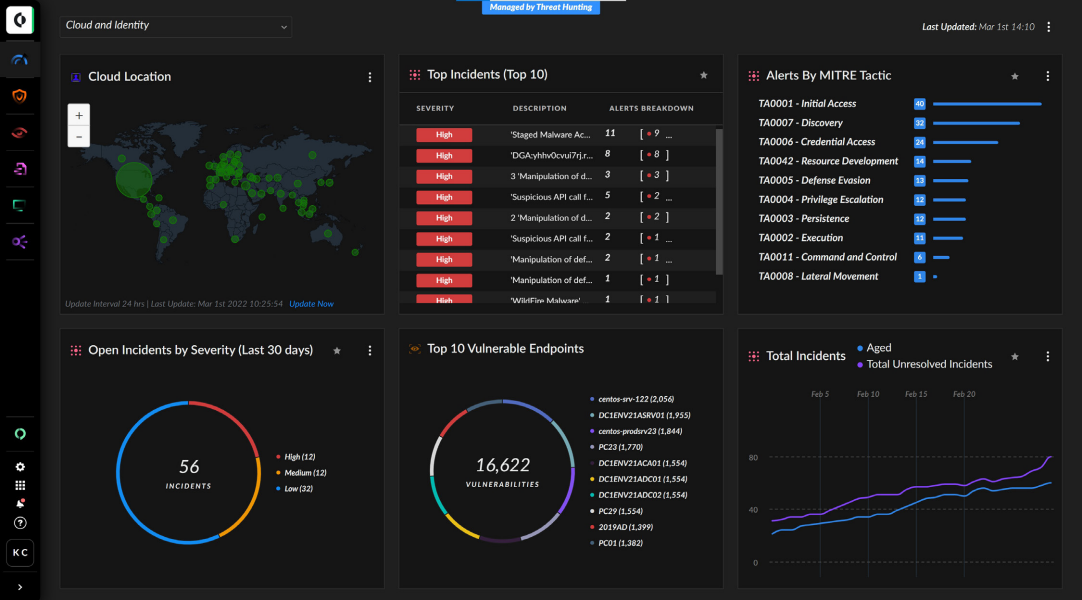
Palo Alto Networks Unit 42 MDR combines the Cortex XDR platform with the threat intelligence and incident response expertise of Unit 42, Palo Alto Networks' global threat research team. The service aggregates security telemetry from endpoints, network, cloud, and identity sources through Cortex XDR, applying behavioral analytics, AI-powered threat modeling, and Unit 42 threat intelligence to detect, prioritize, and respond to threats. Unit 42 MDR analysts bring incident response experience from thousands of breach investigations.
Key features include:
- Unit 42 threat intelligence integration: MDR investigations draw on threat intelligence from Unit 42's global incident response caseload, research team findings, and telemetry from Palo Alto Networks' full product ecosystem, providing rich adversary context for each investigated threat.
- Signal precision and alert reduction: Cortex XDR's behavioral analytics and AI models are engineered to prioritize alerts at high fidelity while suppressing noise, reducing the volume of alerts that analysts and customers need to process without sacrificing detection coverage.
- Streamlined forensic investigation: Unit 42 analysts investigate forensic artifacts across endpoint, network, and cloud telemetry through Cortex XDR, identifying initial access vectors, lateral movement, and data exfiltration paths to establish root cause and scope.
- Actionable post-incident reporting: Every investigated incident produces a detailed threat report covering scope, attack source, tools and techniques used by the adversary, and specific recommended actions, designed for both technical remediation and executive review.
- Managed XSIAM for SOC engineering: The Managed XSIAM tier includes hands-on SOC engineering support — building custom detection rules, correlating organization-specific data sources, and developing tailored playbooks — going beyond managed monitoring to improve the customer's underlying detection capability.
- Proactive threat hunting with adversary focus: Unit 42 threat hunters proactively search customer environments for signs of advanced adversary activity, using knowledge of specific threat actor TTPs derived from active IR engagements globally.
Limitations (based on publicly available sources):
- Platform dependency on Cortex XDR: Unit 42 MDR is optimized for environments running Cortex XDR. Organizations using other EDR platforms may find that integration depth and detection fidelity are reduced outside the native Cortex environment.
- Service scope focused on detection and response: Unit 42 MDR's core offering centers on threat detection, investigation, and response. Organizations seeking broader managed security services such as vulnerability management or compliance program management may need to engage separate Palo Alto Networks service offerings.
- Cost at enterprise scale: The service is positioned as an enterprise-grade offering, and costs can be significant for organizations deploying across large, complex environments with extensive telemetry requirements.
Source: Palo Alto Networks
10. Secureworks Taegis ManagedXDR

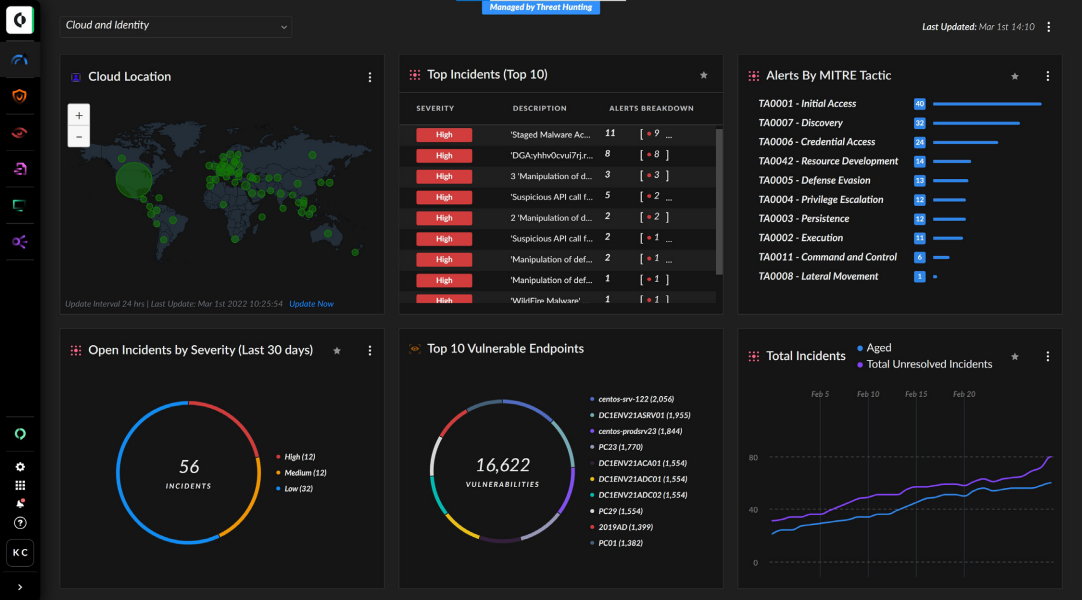
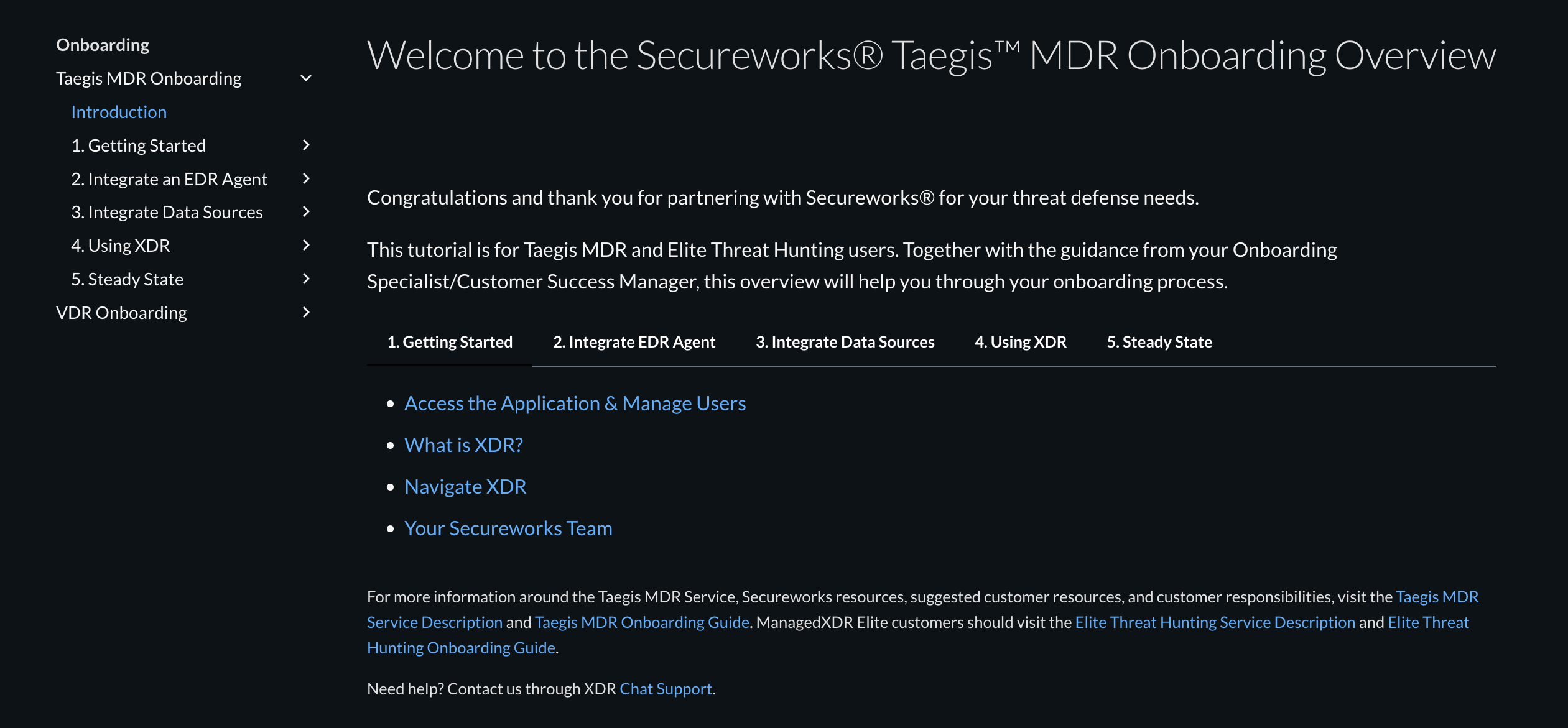
Secureworks Taegis ManagedXDR is a managed detection and response service built on the Taegis XDR cloud-native security platform, backed by more than 20 years of Secureworks SOC operations experience. The service provides threat monitoring, detection, and response across endpoints, networks, identities, cloud environments, and SaaS applications through the Taegis platform, which customers access directly.
Key features include:
- Shared platform access between customer and SOC: Customers access the Taegis XDR platform directly, providing full visibility into the same data and investigative tools that Secureworks analysts use — reducing information gaps and enabling customer security teams to participate actively in investigations.
- Counter Threat Unit intelligence: Secureworks' dedicated threat research team continuously updates detection logic with fresh adversary intelligence derived from incident response engagements and global threat monitoring, ensuring the platform detects new and evolving attack techniques.
- ManagedXDR Plus for proactive posture management: The Plus tier provides bespoke, proactive security posture management alongside reactive detection, including personalized risk reviews, compliance alignment, and environment-specific detection rule development.
- Multi-signal correlation across environments: Taegis ingests and correlates telemetry from endpoints, network devices, identity systems, SaaS applications, cloud workloads, and logs through a unified analytics engine designed for XDR-level signal correlation.
- 20+ years of SOC operational experience: Secureworks' long operational history informs service delivery processes, escalation protocols, and threat detection frameworks, providing procedural depth that newer MDR providers may lack.
- Forensic incident documentation: Investigated incidents produce structured reports covering root cause, attack timeline, affected systems, response actions, and remediation guidance for both technical and compliance audiences.
Limitations (as reported by users on G2):
- Complex support for advanced technical issues: Some users note that resolving complex support issues related to the underlying platform architecture can be difficult, with the complexity of the Taegis platform occasionally complicating troubleshooting.
- Non-intuitive interface: Some users report that the Taegis interface is not immediately intuitive, requiring a learning curve before administrators can navigate and use the platform efficiently.
- Pricing increases: Some existing customers have noted that Secureworks' pricing has increased substantially over time, which can affect budget planning for organizations on multi-year security commitments.
Source: Secureworks
11. Bitdefender MDR

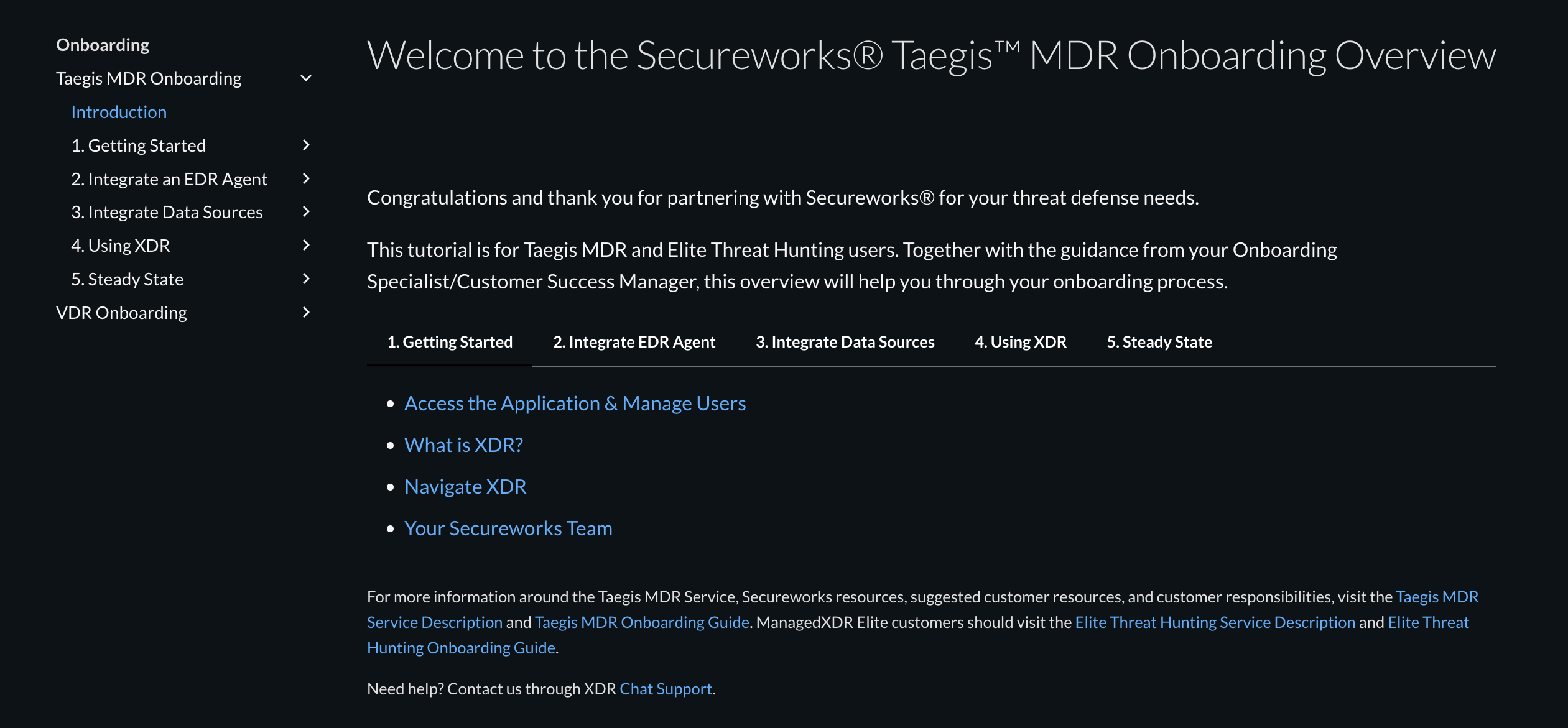
Bitdefender MDR is a managed detection and response service delivered through Bitdefender's GravityZone platform, a unified security solution combining endpoint protection, EDR, XDR, network, cloud, and identity telemetry into a single management interface. The service is staffed by Bitdefender's global SOC, which employs security analysts, researchers, and threat hunters, many recruited from government intelligence agencies.
Key features include:
- Full-lifecycle alert management: Bitdefender MDR analysts analyze thousands of alerts down to a small set of actionable responses and recommendations, managing the complete alert lifecycle rather than simply forwarding enriched notifications to the customer for their own triage.
- Dedicated Security Account Manager: Each customer is assigned a SAM who serves as a single point of contact for incident updates, quarterly business reviews, and ongoing security communication, providing continuity across the service relationship.
- Forensic post-incident reporting: After-action reports identify original threat vectors, document the investigation findings, quantify potential impact, and initiate 72-hour enhanced monitoring to prevent recurrence of related incidents.
- Dark web monitoring: Bitdefender MDR PLUS continuously monitors dark web sources for leaked organizational credentials, domains, intellectual property, brand references, and technology stack exposure, providing early warning of external data exposure.
- Automated pre-approved response actions: Pre-approved response playbooks enable the SOC to take immediate containment steps without requiring real-time customer authorization, reducing attacker dwell time during active incidents.
- GravityZone XDR platform integration: The MDR service is built on GravityZone's unified platform, integrating endpoint, network, cloud, and identity telemetry through a single agent and management interface — reducing the complexity of deploying and maintaining multiple security tools.
Limitations (as reported by users on G2):
- Limited threat hunting and IOC search capability: Some users report that the platform's built-in search functionality for threat hunting and indicator-of-compromise queries is limited, making proactive investigation more difficult for security teams that want to run custom hunts.
- Higher false positive rate in some configurations: Some users note that the false positive rate can be elevated, generating additional noise that requires the support team's involvement to resolve through exclusion tuning.
- Support response times for non-critical issues: Some users have noted that Bitdefender's support team can be slower to respond for non-emergency issues such as exclusion adjustments and configuration changes.

Source: Bitdefender
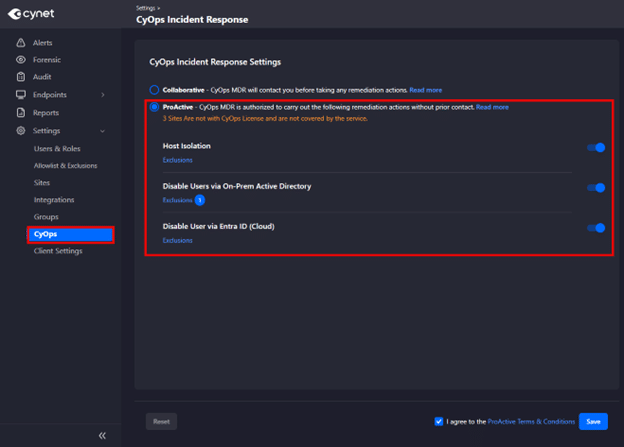
12. Cynet CyOps MDR

Cynet is a unified cybersecurity platform that bundles EPP, EDR, XDR, UEBA, network analytics, and deception technology into a single agent and management interface. CyOps, Cynet's 24/7 MDR service, is included in the platform license at no additional cost — a significant differentiator from MDR services that are sold as add-ons or overlays to existing security products. The CyOps team monitors customer environments around the clock, investigates confirmed threats, and executes response actions through the Cynet platform.
Key features include:
- MDR included in platform licensing: CyOps MDR is bundled into the Cynet platform license rather than priced as a separate service, giving organizations access to 24/7 managed monitoring and response without the additional cost structure that comes with standalone MDR contracts.
- Multi-surface coverage in base pricing: Endpoint, cloud, SaaS, identity, and network attack surfaces are included in Cynet's base coverage, providing broader default visibility than many competitors who offer additional surfaces as paid add-ons.
- Automated investigation and response: The platform automates investigation steps and response actions — including isolation, process termination, and credential reset — allowing the CyOps team to manage high alert volumes without proportional increases in analyst headcount.
- Cross-surface attack chain correlation: Cynet correlates signals from endpoint, identity, network, and cloud sources to reconstruct multi-stage attacks, enabling analysts to identify lateral movement, privilege escalation, and data exfiltration patterns that would be invisible when viewing individual alert sources in isolation.
- Unified single-agent deployment: All Cynet capabilities — prevention, detection, response, and MDR integration — operate through a single lightweight agent, reducing deployment complexity and management overhead for organizations without large IT teams.
- Forensic documentation and guided remediation: CyOps analysts produce incident documentation covering investigation findings, root cause, affected systems, and specific remediation steps aligned to the customer's environment.
Limitations (as reported by users on G2):
- Limited reporting customization: Multiple users note that the reporting module offers limited options for tailoring report formats and visualizations to specific team or stakeholder needs, which can require additional manual work to produce customized executive summaries.
- Limited third-party integrations: Some users report that Cynet's integration ecosystem is narrower than those of larger enterprise platforms, potentially constraining organizations with diverse or non-standard tool stacks.
- Agent resource consumption: Some users report that the Cynet agent's resource usage on endpoints can be noticeable, particularly during scheduled scans or platform updates, which may affect performance on lower-spec devices.
Source: Cynet
MDR Forensic Incident Reporting Best Practices
Organizations should consider the following ways to improve incident reporting when using managed detected and response services.
1. Investigate Every Alert, Not Only High-Severity Alerts
Lower-severity alerts often contain early signals of larger attacks. Reviewing them helps identify patterns such as repeated failed logins, unusual process behavior, or slow lateral movement. Attackers often test access using low-noise techniques before escalating privileges or deploying malware.
Treating all alerts as potential entry points improves visibility into attacker behavior and strengthens early detection. Analyzing lower-severity alerts helps refine alert thresholds and reduce noise. Teams can identify which alerts consistently lead to findings and which can be deprioritized or tuned.
2. Include Endpoint Forensic Details in the Incident Narrative
Endpoint data such as process trees, command-line activity, file modifications, and persistence mechanisms adds depth to the report. These details show how the attacker operated on compromised systems. Knowing the exact command used to execute a payload or the registry key used for persistence allows teams to search for similar activity across the environment.
This level of detail supports threat hunting and helps validate remediation steps. Detailed endpoint evidence improves collaboration between security and IT teams. Administrators can verify system integrity, while security engineers can translate findings into detection logic and prevention controls.
3. Document the Full Investigation Timeline
A complete timeline should capture every step from initial alert through final remediation. This includes analyst actions, tool outputs, and decision points. A documented timeline supports audits and internal reviews.
Accurate timestamps help correlate activity across systems such as endpoints, firewalls, and identity providers. This correlation is important for understanding cause and effect in multi-stage attacks. A detailed timeline supports post-incident reviews by highlighting delays, visibility gaps, or inefficiencies in the response process.
4. Feed Investigation Results Back Into Detection Engineering
Indicators of compromise, attacker techniques, and gaps identified during the investigation should be converted into new or updated detection rules. This closes the loop between response and prevention.
Detection engineering should incorporate atomic indicators, such as IPs and hashes, and behavioral patterns, such as suspicious process chains. Regular feedback between incident responders and detection engineers helps prioritize high-value detections based on observed threats.
5. Make Reports Useful for Both Technical and Executive Audiences
Reports should balance technical depth with clear summaries. Structured sections allow engineers to access detailed evidence, while executives can quickly understand impact and risk. Clear formatting, consistent terminology, and separation of summary and detailed sections improve readability.
Visual elements such as timelines or attack flow diagrams can help stakeholders understand scope and severity. Tailoring the report to different audiences improves communication during high-pressure situations. Executives can focus on business impact and required actions, while technical teams can act on detailed findings.